
15 Travel Tips to Bali for a Better Trip
Travel tips to Bali help you plan a smoother, more enjoyable holiday by choosing the right area, timing your visit, preparing for local customs, and balancing sightseeing with downtime. Book comfortable accommodation, allow extra travel time, carry suitable essentials, and leave room for spontaneous experiences across the island.

1. When is the best time to visit Bali?
The best time to visit Bali is generally during the dry season, from April to October. These months usually bring sunnier days and lower humidity, making them convenient for beaches, temple visits, day trips, and outdoor activities.
The wet season, typically from November to March, can still be rewarding. Rain often arrives in short, heavy bursts rather than lasting all day. You may also find greener landscapes, fewer crowds, and attractive accommodation rates.
Consider these factors when choosing your dates:
- Dry season: Best for beach days and exploring outdoors.
- Wet season: Often quieter and more budget-friendly.
- July and August: Popular but busier, especially in southern Bali.
- Nyepi: Bali’s Day of Silence affects transport, activities, and airport operations.
Always check local holiday dates before booking flights and accommodation.
2. Which area of Bali should you choose?
Bali is not one single travel experience. Your ideal base depends on the type of holiday you want.
- Seminyak: A stylish choice for restaurants, cafés, shopping, sunset drinks, and beach clubs.
- Legian: Convenient for families and couples who want beaches, dining, and easy access to nearby areas.
- Canggu: Popular for cafés, surf culture, wellness, and a lively social atmosphere.
- Ubud: A strong choice for rice terraces, art, culture, yoga, and a slower inland setting.
- Uluwatu: Known for dramatic cliffs, surf beaches, and spectacular sunsets.
- Sanur: Generally calmer, with a relaxed beachfront and family-friendly atmosphere.
For a convenient southern Bali stay, compare the private accommodation options on our Villas page. A private pool and comfortable shared space can be especially useful when travelling with family or a small group.
3. How many days do you need in Bali?
A first Bali trip usually benefits from at least seven days. This allows time to settle in, enjoy your base, take one or two day trips, and keep a few unplanned hours in your schedule.
A useful planning guide is:
- Five to seven days: Choose one main area and add one carefully selected day trip.
- Eight to twelve days: Combine southern beaches with Ubud or another inland destination.
- Two weeks or more: Explore at a slower pace and consider northern or eastern Bali.
Avoid changing hotels every night. Packing, checking out, travelling, and checking in can consume more time than expected. Two or three well-chosen bases usually create a better experience than trying to see everything.
4. What should you pack for Bali?
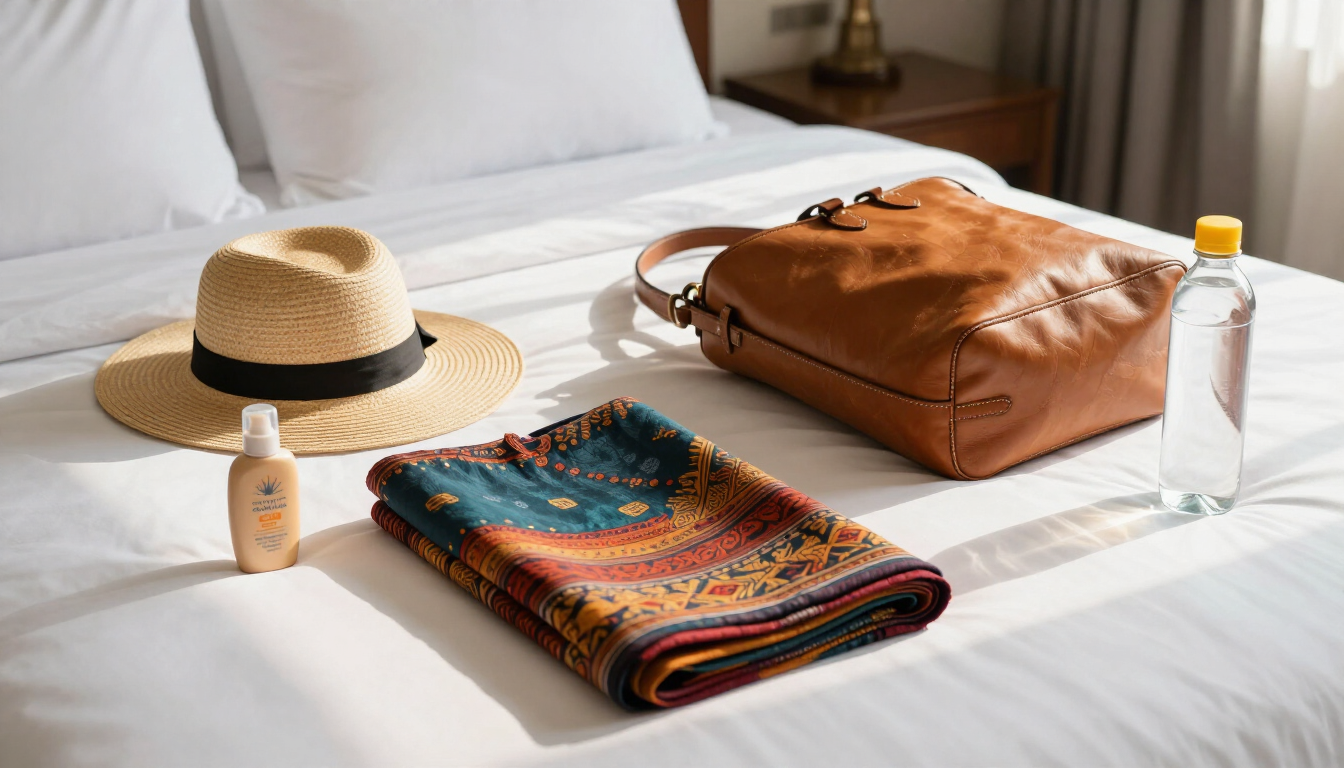
Pack lightweight clothing, swimwear, comfortable walking shoes, sandals, sunscreen, insect repellent, and a reusable water bottle. A light rain jacket or compact umbrella is helpful at any time of year.
You should also bring clothing that covers your shoulders and knees for temple visits. A sarong may be available at some temples, but carrying your own is convenient.
Useful items include:
- A universal travel adapter
- A small day bag or dry bag
- A portable charger
- Prescription medicines and basic first-aid supplies
- Copies of important documents stored securely online
Choose breathable fabrics, but remember that air-conditioned restaurants, cars, and villas can feel cool after a hot day.
5. What Bali travel documents do you need?
Your passport should generally have at least six months of validity remaining from your arrival date, with enough blank pages for immigration requirements. Depending on your nationality, you may need a visa on arrival, an electronic visa, or another entry arrangement.
Entry rules can change, so confirm current requirements through official Indonesian government or embassy resources before departure. Keep your return or onward flight details and accommodation information accessible.
You may also need to complete an arrival declaration or pay a tourism levy, depending on current regulations. Do not rely on an old blog post or a screenshot from another traveller; verify details close to your travel date.
6. How do you get around Bali?
Bali’s traffic can be unpredictable, particularly around Seminyak, Legian, Canggu, Kuta, and the airport. A route that looks short on a map may take much longer during busy periods.
For most visitors, the easiest options are:
- Private driver: Best for full-day sightseeing and multiple stops.
- Ride-hailing apps: Useful for many short journeys, where permitted.
- Hotel or villa transfers: Convenient for airport arrivals and departures.
- Walking: Practical in compact areas, but take care on busy roads.
- Scooter rental: Suitable only for confident, legally licensed riders with appropriate insurance and safety gear.
Ask your accommodation team about realistic journey times. The Guest Guide can also help you prepare for a more comfortable stay.
7. How can you stay healthy and comfortable?
Drink plenty of water, apply sunscreen regularly, and take breaks from the heat. Eat at places with good hygiene standards, particularly during your first few days, and avoid overloading your itinerary immediately after arrival.
If you are sensitive to mosquitoes, use repellent and choose accommodation with screens or air conditioning. Bring any medication you rely on because a familiar brand may not be easy to find locally.
Travel insurance is strongly recommended. Check that it covers medical care, activities you plan to do, cancellations, and any scooter use if applicable.
Respectful travel essentials
Bali is welcoming, but visitors should respect local traditions and community spaces. Small cultural courtesies make a meaningful difference.
- Wear appropriate clothing when entering temples.
- Never step on offerings placed on pavements or outside businesses.
- Use your right hand or both hands when giving or receiving something.
- Ask before photographing ceremonies or people.
- Keep your voice low and follow instructions at sacred sites.
- Reduce single-use plastic and dispose of rubbish responsibly.
Not every ceremony is a tourist attraction. Observe respectfully and allow participants space.
8. What should you know about money and payments?
Cards are widely accepted at hotels, established restaurants, shops, and many activity providers. Smaller businesses, market stalls, local cafés, parking attendants, and transport services may require Indonesian rupiah in cash.
Use reputable ATMs in secure locations and check the exchange rate and fees before confirming a transaction. Keep small notes available for modest purchases and tips where appropriate.
It is sensible to carry only the cash you need for the day. Store backup cards and important documents separately from your wallet.
9. How should you plan Bali activities?
Build your itinerary around experiences rather than trying to collect landmarks. Choose one main activity each day and leave space for meals, traffic, weather, and rest.
A balanced holiday might include:
- One beach or pool day
- One cultural or temple visit
- One nature-focused excursion
- One relaxed food or shopping day
- Free time to enjoy your accommodation
The Experience and Explore pages are useful starting points for discovering ways to enjoy your stay. Book popular activities ahead when dates are fixed, but keep some flexibility for weather and energy levels.

10. Why choose a private villa in Bali?
A private villa can offer more space, privacy, and flexibility than a standard hotel room. This is particularly valuable for couples wanting a peaceful retreat, families needing room to spread out, or small groups who want to spend time together.
Look for features that match your priorities, such as:
- Private pool
- Multiple bedrooms and bathrooms
- Kitchen or dining facilities
- Outdoor living space
- Reliable management and guest support
- Convenient access to beaches, restaurants, and shops
Chayah Villa Group offers professionally managed villas in Legian and Seminyak, combining modern amenities with a relaxed Balinese atmosphere. You can compare individual stays, including Villa Nakula , Villa Chance , Villa Mannah , and Villa Viamia .
Quick answers to common Bali questions
Is Bali suitable for first-time visitors?
Yes. Bali has a well-established tourism industry, varied accommodation, accessible transport options, and experiences for different budgets and travel styles. Planning your base and transport in advance makes a first visit easier.
Is Bali expensive?
Bali can suit several budgets. Accommodation, dining, transport, and activities range from affordable to highly luxurious. Your location, travel season, and choice of experiences have the biggest effect on total cost.
Should you stay in Legian or Seminyak?
Choose Legian for a convenient, lively base with easy access to beaches and family-friendly facilities. Choose Seminyak for a more polished atmosphere, strong dining options, boutiques, and sunset venues.
What is the most important Bali travel tip?
Do not over-plan. Allow extra time for traffic, respect local customs, protect yourself from the sun, and choose accommodation that makes daily travel comfortable.
Final Bali trip checklist
The best travel tips to Bali are simple: choose an area that fits your priorities, travel with realistic timing, pack for heat and rain, prepare the correct documents, and respect local culture. For a smoother holiday, stay in one or two convenient locations instead of rushing across the island. If privacy, space, and personal support matter, compare a managed villa in Legian or Seminyak before booking. Next, confirm entry requirements, set a flexible itinerary, arrange airport transport, and reserve the accommodation that best matches how you want to experience Bali.
Recent Posts